American Script: The Font That Brings Authentic Charm to Modern Design
There's a particular kind of warmth that only a well-crafted script font can deliver. It's the feeling of a handwritten note, the personality behind a signature, the subtle human touch that digital design often strips away. American Script, created by the type designer Darwinoo, taps into this feeling with remarkable precision. It's a font that doesn't just sit on a page—it communicates mood, authenticity, and a certain timeless appeal that works across a surprisingly wide range of projects.
Whether you're building a brand from scratch, refreshing your visual identity, or simply searching for a typeface that feels genuine rather than generic, American Script deserves a closer look. Let's explore what makes it tick and how you can put it to work.
What Sets American Script Apart from Other Script Fonts
Script fonts are everywhere. Walk through any design marketplace and you'll find hundreds of them, each claiming to offer "elegant" or "handwritten" character. The problem is that many of them blur together—they're either too formal, too casual, or too ornate to be genuinely useful. American Script occupies a different space. Darwinoo designed it with a balance between legibility and personality that's harder to achieve than it sounds.
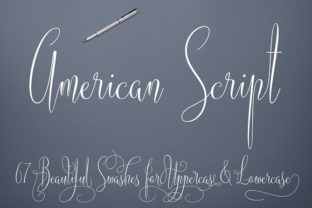
The letterforms carry a natural flow, with connected strokes that mimic authentic handwriting without sacrificing clarity. Unlike overly decorative calligraphy fonts that become unreadable at smaller sizes, American Script maintains its character even when used in body-adjacent contexts like pull quotes or subheadings. The uppercase letters have a confident, slightly bold presence, while the lowercase feels approachable and fluid. This duality makes it versatile—you can use it for a luxury brand or a cozy bakery without it feeling out of place.
What really distinguishes this premium font is its attention to detail in the alternates and ligatures. Darwinoo included multiple stylistic variations that let you customize the look depending on the context. Need a more formal tone? Swap in the refined alternates. Want something looser and more casual? The standard letterforms deliver that effortlessly. This level of flexibility is something you typically find in high-end commercial fonts, and it's a significant advantage for designers who need one typeface to do several jobs.
Where American Script Shines: Real-World Applications
Theory is fine, but what matters is how a font performs in actual projects. Here's where American Script tends to make the strongest impact.
Branding and Logo Design
A logo sets the visual tone for everything a business does. When a brand wants to convey warmth, craftsmanship, or personal connection, a script font often does the heavy lifting. American Script works beautifully as a primary logo typeface for businesses in food, lifestyle, wellness, fashion, and creative services. Its organic letterforms suggest a human touch—perfect for a boutique coffee roaster, a handmade jewelry line, or a personal coaching brand. Pair it with a clean sans serif font for the tagline or supporting text, and you've got a visual identity that feels both polished and approachable.
Packaging and Product Design
Walk down any grocery aisle and you'll notice how packaging design uses typography to signal quality and personality. A handwritten font on a label tells the customer this product has character. American Script works especially well on food packaging, cosmetics, artisan goods, and specialty products. It's legible enough for product names and key messaging while adding that handcrafted feel consumers respond to emotionally. If you're designing labels, box art, or product tags, this typeface gives you a reliable foundation.
Social Media and Digital Content
On platforms like Instagram, Pinterest, and TikTok, visual personality is currency. Content creators and marketers use script fonts to create quote graphics, story templates, promotional banners, and thumbnail images that stand out in crowded feeds. American Script's balanced weight means it renders well on screens, even at moderate sizes. It's particularly effective for overlaying on photographs—think lifestyle posts, behind-the-scenes content, or promotional announcements where you want text to feel integrated rather than imposed.
Invitations, Events, and Print Materials
Wedding invitations, event flyers, menus, thank-you cards—these are the kinds of projects where a script font isn't just decorative, it's expected. American Script handles this territory with grace. Its letter spacing and stroke consistency mean your printed materials look intentional and professional, not like you grabbed the first free script font you found online. For small businesses that produce printed menus, loyalty cards, or seasonal flyers, having a reliable script typeface in your toolkit saves time and elevates the final product.
Websites, Blogs, and Editorial Layouts
Web design requires careful font selection because readability and performance both matter. American Script isn't meant to replace your body copy font—that's a job for a well-chosen serif or sans serif. But as an accent font for headers, pull quotes, author names, or decorative elements, it adds visual interest without compromising the reading experience. Bloggers and editorial designers often use script fonts to break up dense text layouts and create visual hierarchy. Used strategically, American Script can guide the reader's eye and make long-form content feel more inviting.
Pairing American Script with Other Typefaces
No font works in isolation. The real magic happens in font pairing—choosing complementary typefaces that create contrast and balance. American Script's organic, flowing character pairs well with structured, geometric sans serif fonts. Think of pairings with typefaces like Montserrat, Raleway, or Open Sans for digital projects. For print and editorial work, a classic serif like Garamond or Playfair Display creates an elegant contrast that feels sophisticated without being stiff.
The key principle is contrast. Since American Script has a strong personality, the supporting font should be quieter and more neutral. Avoid pairing it with another script or highly decorative font—that creates visual noise rather than harmony. Let American Script be the voice, and let the companion font be the structure.
When testing pairings, mock up real content rather than just looking at alphabet samples. Type out an actual headline, a subheading, and a paragraph. See how the fonts interact in context. Check the weight balance—if your script font feels too light or too heavy next to your body copy, adjust sizes or weights until the hierarchy feels natural.
Readability: The Non-Negotiable Consideration
Every designer faces the tension between style and readability. A font can be gorgeous but useless if people can't read it. American Script handles this tension better than most script fonts, but you still need to apply good judgment.
Use it at sizes where the letterforms have room to breathe. On screens, 18 pixels and above is generally a safe starting point for decorative fonts. In print, 14 points and up works well for most applications. Avoid setting entire paragraphs in script type—reserve it for short, impactful text where its personality enhances rather than hinders communication.
Consider your audience carefully. If you're designing for an older demographic or accessibility-conscious brand, test the font with real users. Color contrast matters too—light script text on a busy background is a recipe for frustration. Give American Script the space and contrast it needs to perform at its best.
Licensing and Commercial Use
If you're planning to use American Script for client work, merchandise, or commercial products, review the licensing terms before purchasing. Most premium fonts come with specific licenses for desktop use, web use, and sometimes app or embedding use. Darwinoo's licensing for American Script covers standard commercial applications, but it's always worth confirming the details match your intended use. For designers working with multiple clients, an extended license or multi-user license may be necessary. This is a practical step that protects both you and your clients—and it's far better to sort it out upfront than to deal with licensing issues after a project launches.
Making the Most of Your Font Investment
A quality typeface is a design asset that pays for itself over time. Once you've added American Script to your toolkit, explore all the included styles and alternates. Many designers purchase a font and only use the default letterforms, missing the additional characters that could elevate their work. Spend an afternoon experimenting with different combinations, testing how the font behaves in various contexts—dark backgrounds, light backgrounds, paired with images, set against solid colors.
Build a small reference sheet for yourself or your team. Document which font pairings work best, what sizes render cleanly, and which projects benefit most from the script style. This kind of preparation turns a good font into a strategic tool rather than just another file sitting in your font library.
Typography shapes how people perceive your work before they read a single word. American Script gives you a way to inject genuine personality into your designs without sacrificing the professionalism your audience expects. Whether it becomes your go-to script font or one piece of a broader typographic system, it's the kind of asset that rewards thoughtful use.