Copper Harbor Script: The Handwritten Font That Brings Designs to Life
There's a certain magic in a font that feels personal. It doesn't just sit on the page; it whispers, it shouts, it tells a story. In a sea of clean, geometric sans-serifs and authoritative serifs, a well-crafted script font can be the secret weapon that makes your project unforgettable. This is where a typeface like Copper Harbor Script enters the picture—a premium handwritten font designed to inject immediate personality and warmth into any creative endeavor.
A Typeface with Authentic Character
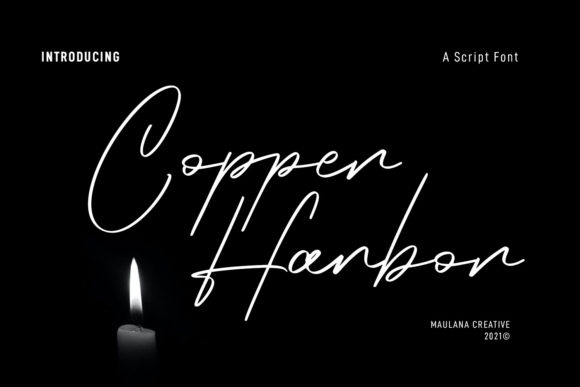
What sets a font like this apart is its refusal to feel robotic or sterile. Each letterform is crafted with subtle variations in weight and flow, mimicking the natural inconsistencies of hand-lettering. This isn't a font that tries to be perfect; it embraces the beauty of the human touch. The result is a typeface that feels approachable, elegant, and full of life. It's the kind of script you'd see on a beautifully lettered wedding invitation or the logo of a boutique coffee roaster—it immediately signals care, craftsmanship, and authenticity.
For designers and brand builders, this visual language is powerful. A handwritten font like Copper Harbor Script can serve as the cornerstone of a brand identity that wants to connect on an emotional level. It tells customers there's a real person behind the business, not just a corporation. Whether you're a solo entrepreneur, a creative agency, or a blogger building a community, this font helps bridge the gap between digital abstraction and human connection.
Where This Script Font Truly Shines
The practical applications for a versatile script font are vast, extending far beyond a simple logo. Think of it as a multi-tool in your design assets toolkit.
For Branding and Logo Design: This is its natural habitat. Copper Harbor Script can become the defining feature of a brand's wordmark. It's particularly effective for businesses in the lifestyle, food, wedding, artisan, and wellness spaces. Paired with a clean sans-serif for body text, it creates a dynamic and professional presentation that's both memorable and readable.
In Packaging and Print Materials: Imagine a product label for handmade soaps, a craft brewery's bottle, or a gourmet jam. The font adds an artisanal quality that premium packaging design demands. It translates beautifully onto business cards, thank-you notes, and stationery, making every touchpoint feel considered.
Across Digital Platforms: The digital world is hungry for personality. Use this creative font for impactful social media graphics—think quote cards, promotional announcements, and Instagram Stories that stop the scroll. On a website, it can be used sparingly for key headlines, calls-to-action, or blog post titles to draw the eye and establish a unique editorial design voice.
For Events and Merchandise: From wedding invitations and event posters to merchandise like tote bags and t-shirts, a script font adds a festive, personal touch. It's perfect for creating limited-edition designs or special collection branding that feels exclusive and special.
Smart Typography: Pairing and Practicality
Using a bold display font like a script requires a bit of strategy. The goal is to let it sing without sacrificing clarity. Here are some grounded tips for integrating it effectively into your projects.
First, consider font pairing. A script font works best as an accent, not for long paragraphs. Pair it with a highly readable serif font for a classic, sophisticated look, or with a modern sans-serif for clean contrast. For example, use Copper Harbor Script for your main logo and a font like Montserrat or Lora for your website body copy and product descriptions.
Second, always test for readability. View your design at the actual size it will be used. A script that looks stunning on a large poster might become an illegible blur in a small website header. Ensure there's enough contrast between the letters, especially for critical information. Most premium fonts include multiple styles—check for a regular, bold, or alternate version that might offer better clarity at smaller sizes.
Third, match the typography to your project's goal. Is the feeling you're after romantic, rustic, modern, or playful? Study the font's personality. Copper Harbor Script, with its balanced flow, leans elegant yet approachable, making it adaptable but not universally so. It might not fit a tech startup's brand identity, but it's perfect for a florist, a bakery, or a personal blog.
Making the Most of Your Font Investment
When you choose a premium font, you're investing in a professional design asset. To get the most value, explore everything it offers. Look beyond the basic uppercase and lowercase. Check for a full set of punctuation and numerals, as well as stylistic alternates and ligatures. These extra characters can add even more variety and authenticity to your lettering, allowing you to customize the look for different contexts.
Equally important is understanding the commercial licensing. A reputable premium font will come with clear licensing terms that allow you to use it in commercial projects—client work, products for sale, and marketing materials. This legal clarity is crucial for professional designers and businesses, ensuring you can use your chosen typeface confidently across all your brand's applications.
Ultimately, the right typeface is a silent partner in your visual communication. It sets the tone before a single word is read. A font like Copper Harbor Script offers a way to break from the generic, to build a brand identity that feels genuinely human, and to create designs that resonate because they feel personal. It's not just about looking good; it's about connecting. In the end, that connection is what turns a viewer into a customer, a reader into a fan, and a design into a story.