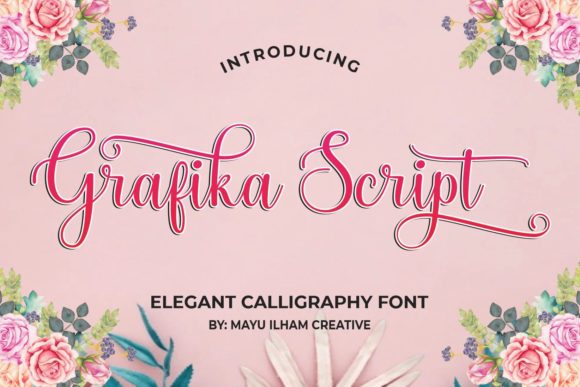
Where Elegance Meets Emotion: The Story of Grafika Script
Every designer knows the struggle: you’re building a brand or crafting an invitation, and the project has a distinct, personal soul, but the standard sans-serif fonts feel too cold. You need something that conveys warmth, sophistication, and a human touch without sacrificing legibility. This is where the line between digital precision and artistic flair blurs, and where a specific type of script font becomes the hero of the layout. Enter a typeface that balances these needs with remarkable grace. It is a premium font that bridges the gap between a modern typography aesthetic and the timeless charm of calligraphy, making it a versatile tool for a wide range of visual communication needs.
Beyond the Standard: Capturing a Luxurious Tone
When you look at a logo design for a high-end boutique or a wedding stationery suite, the typography does more than just spell out words; it sets a mood. Grafika Script is designed specifically to evoke that feeling of curated elegance. It isn't just a handwritten font; it is a carefully crafted visual asset that adds a "luxury spark" to any composition. The strokes are fluid, mimicking the natural rhythm of a hand holding a pen, yet they maintain the consistency required for professional brand identity work.
For small business owners and entrepreneurs, this distinction is vital. A brand needs to feel established and trustworthy. While a child-like scrawl might work for a daycare, a jewelry designer or a consultant needs something that feels expensive. This typeface achieves that through its thick and thin contrasts and its thoughtful connections between letters. It suggests that care has been taken, which is a subconscious message your audience picks up on immediately.
The Power of Details: Glyphs, Ligatures, and PUA Encoding
One of the common frustrations with script fonts is the lack of variation. If every 'o' looks exactly the same, or if letters connect awkwardly, the text can look robotic rather than organic. This is where the technical side of Grafika Script shines. Because it is PUA (Private Use Areas) encoded, you have access to a vast library of amazing glyphs and ligatures.
What does this mean for your workflow? It means you can transform standard text into a piece of custom lettering. Swashes can be added to the beginnings and ends of words to create dramatic flourishes, perfect for a hero image on a website or a poster headline. Alternate characters allow you to change the look of specific letters to ensure they flow perfectly with their neighbors. For content creators and designers, this level of control is essential for creating social media graphics that stand out in a crowded feed.
Real-World Application: From Packaging to Digital Screens
Understanding where to use a display font like this is just as important as selecting it. Its utility spans across both physical and digital mediums, making it a highly valuable addition to your design assets library.
Physical Products and Print:
If you are designing packaging for a coffee blend, a scented candle, or a skincare line, this font helps establish the product's tier. It communicates "artisan" and "quality." It is equally effective on invitations—whether for a gala or a boutique fitness class—where the typography needs to feel exclusive. It works beautifully on merchandise like tote bags or t-shirts, provided the text size is large enough to showcase the details of the lettering.
Digital and Editorial:
In the realm of web design and editorial layouts, restraint is key. You wouldn't use a script font for body copy, as it hinders readability. However, for headers, pull quotes, or accent text, it adds a dynamic rhythm to the page. A blog post about lifestyle or travel can feel instantly more engaging when the headers use a font that feels personal and handwritten. It breaks the monotony of standard serif or sans serif blocks of text.
Strategic Pairing and Brand Consistency
To truly unlock the potential of Grafika Script, you must consider how it interacts with other typefaces. A font pairing strategy is crucial for visual consistency. Because this font is ornate and decorative, it demands a counterpart that is quiet and structured.
Try pairing it with a clean, geometric sans-serif. The stark contrast between the fluid script and the rigid geometric shapes creates a modern, balanced look. This combination ensures that your message remains clear. The script draws the eye to the most important element—usually the headline or the brand name—while the sans-serif handles the heavy lifting of the detailed information.
For marketers, this contrast is a tool for hierarchy. It guides the viewer's eye exactly where you want it to go. If everything is shouting for attention, nothing is heard. By using this typeface for key moments, you create a focal point that drives audience engagement.
Practical Tips for Implementation
Before you finalize your next project, consider these practical guidelines to ensure your typography hits the mark:
- Check Your Licensing: If you are using this for a client or selling products, ensure you have the correct commercial font license. This protects you legally and supports the creators who build these tools.
- Size Matters: Script fonts generally perform best at larger sizes. Test your headers at the actual size they will be displayed. If the loops of the letters close up, the font is too small.
- Spacing is Key: Because of the swashes and connections, you may need to adjust the kerning (space between letters) manually to prevent overlapping elements from colliding.
- Context Check: Does the font match the personality of the brand? A luxury spa and a vintage record shop have different vibes. Ensure the elegant nature of the typeface aligns with the voice of the project.
Ultimately, choosing a font is about finding the right voice for a visual story. Grafika Script offers a voice that is confident, charming, and undeniably elegant. By integrating it thoughtfully into your creative projects, you move beyond simple text and start creating experiences that resonate with your audience on an emotional level. It is a reminder that in design, the details are not just details; they are the design.