Grettana Script: The Modern Calligraphy Font for Creative Projects
There’s a specific moment in any creative project when you realize the typography isn’t just holding the words—it’s shaping the entire mood. Maybe you’re finalizing a wedding invitation and the sans serif feels too clinical. Or you’re designing a boutique coffee label and need something that whispers “handcrafted” without looking messy. That’s where a thoughtfully designed script font becomes invaluable. Grettana Script steps into that space with a fluid, contemporary grace that feels both personal and polished. It’s the kind of typeface that doesn’t just display a name; it gives it character.
Where Style Meets Substance in Modern Typography
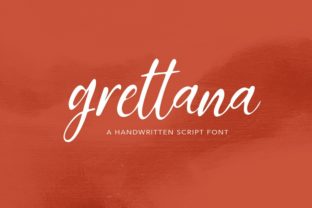
Grettana Script isn’t your grandmother’s calligraphy. It carries a clean, flowing aesthetic with subtle brush-like texture, avoiding the overly ornate or rigidly formal feel of traditional scripts. The letterforms have a consistent rhythm, with elegant connections that make multi-word phrases read smoothly. What makes it particularly useful is its balance: it’s expressive enough to feel human-made, yet structured enough to maintain legibility at smaller sizes. This makes it a versatile player in your design toolkit, bridging the gap between a casual handwritten font and a more formal display typeface.
The font typically includes a full suite of uppercase and lowercase letters, numerals, and a range of punctuation. Many premium versions of such scripts also offer stylistic alternates and ligatures—special character variations that allow for more natural, customized letter combinations. These features are what separate a generic script from a professional design asset. Instead of every “th” or “ing” looking identical, you can adjust the flow to avoid awkward overlaps, creating a more authentic handwritten feel.
Practical Applications That Go Beyond Aesthetics
So, where does a font like Grettana Script actually fit into real-world projects? Its contemporary charm makes it surprisingly adaptable across both digital and print landscapes. Think beyond the obvious greeting card. Consider using it for:
- Brand Identity and Logo Design: For businesses that want to convey approachability, creativity, or artisanal quality—like a florist, a bakery, a boutique consultancy, or a handmade jewelry line—Grettana can form the core of a wordmark or complement a simple icon. It helps build immediate brand recognition with a personal touch.
- Packaging and Label Design: On product packaging, it can highlight key details like a product name, flavor, or a “Small Batch” claim. It adds shelf appeal and communicates care and attention to detail, which is crucial for consumer goods.
- Social Media and Digital Content: In a crowded feed, a script font can stop the scroll. Use it for Instagram quote graphics, Pinterest pin titles, or YouTube thumbnail text to add personality. It works well for headers on blog posts about lifestyle, food, or design, setting a warm and inviting tone.
- Print and Editorial Layouts: In magazines, lookbooks, or restaurant menus, it can be used for pull quotes, section headers, or special feature titles. It draws the eye and breaks up the monotony of body copy, enhancing the overall reading experience.
- Invitations and Event Materials: From wedding suites to workshop flyers, it provides a sophisticated yet friendly vibe. It’s perfect for names, dates, and key phrases that need to feel special.
- Merchandise and Marketing Assets: Think about tote bags, mugs, or promotional posters. A catchy phrase rendered in Grettana Script can turn a simple item into something desirable and shareable.
The key is matching the font’s personality to your project’s goal. A children’s toy brand might use it for playful product names, while a wedding photographer could use it for elegant watermarks on portfolio images.
Making It Work: Readability and Pairing Strategies
A beautiful script is useless if no one can read it. One of Grettana’s strengths is its clarity, but context is everything. Avoid using it for long paragraphs of body text. Its magic is in headlines, short phrases, and callouts. For anything longer than a sentence, pair it with a highly readable serif or sans serif font. A classic combination is Grettana Script for headings paired with a clean sans serif like Montserrat or Lato for subheads and body copy. This creates a clear visual hierarchy: the script grabs attention and sets the mood, while the simpler font ensures the detailed information is easily digestible.
Always test your pairings and layouts. View your design on different screens and in print if possible. Check the spacing between lines (leading) and between characters (tracking). Sometimes, increasing the spacing slightly around a script font can dramatically improve its legibility and elegance, especially at larger display sizes.
Choosing the Right Font for Your Brand’s Voice
Selecting a typeface is a strategic decision. Ask yourself: what three words describe the feeling I want my project to evoke? If the answer includes “warm,” “approachable,” “elegant,” “creative,” or “authentic,” a contemporary script like Grettana is a strong candidate. Review the full character set of the font before purchasing. Look for those stylistic alternates—they can be the difference between a good design and a great one, allowing you to customize letter connections for a perfect fit.
Finally, consider the practicalities. If you’re using the font for commercial work—client logos, products for sale, paid marketing materials—ensure you have the correct commercial license. Reputable font foundries are clear about this. Investing in a licensed, premium font not only supports the designers who create these tools but also gives you legal peace of mind and access to updates and support.
In the end, typography is about communication. Grettana Script offers a distinct voice that can help your projects speak with clarity, personality, and a touch of contemporary charm. It’s not just about making things look pretty; it’s about making a connection that feels genuine and memorable.