Behind Script: Elevating Design with Elegant Hand-Lettering
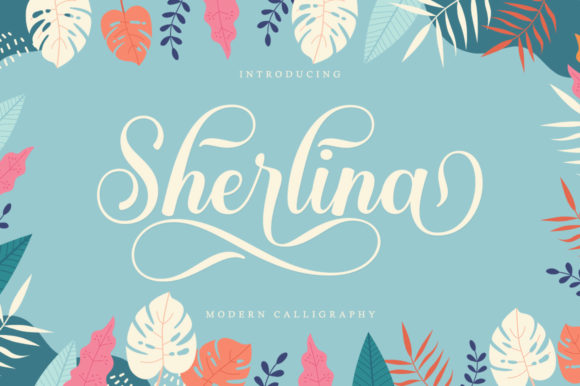
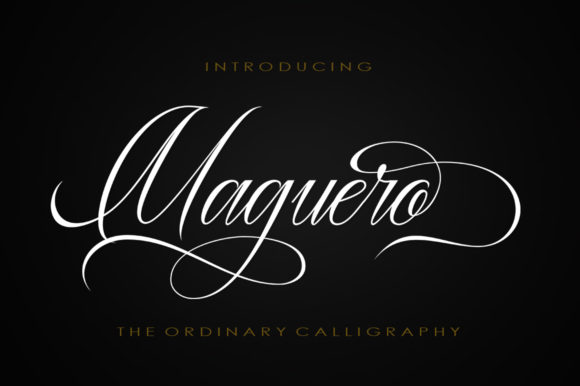
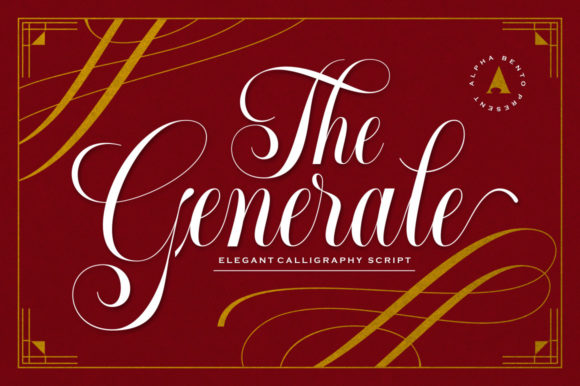
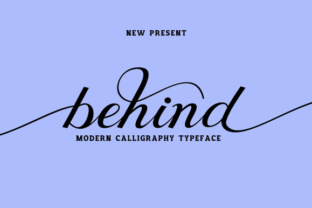
The right typeface can transform a simple message into a memorable experience, and in the world of modern calligraphy, few fonts capture the blend of elegance and approachability quite like Behind Script. This hand-drawn script font is more than just letters; it's a design tool that brings a human, artistic touch to digital projects, making it a valuable asset for any creative professional's toolkit.
Understanding the Appeal of Modern Calligraphy Fonts
In an era saturated with clean, geometric sans-serifs, a well-crafted script font like Behind Script offers a compelling counterpoint. Its adapted modern calligraphy style creates fancy, smooth letters that feel both personal and polished. This balance is crucial for contemporary graphic design, where authenticity and sophistication often go hand-in-hand. The fluid strokes and connected letterforms evoke a sense of craftsmanship, helping designs stand out in crowded visual landscapes.
For designers, this font type addresses a core challenge: adding personality without sacrificing readability. Behind Script, with its carefully designed ligatures and alternates, maintains clarity even at smaller sizes, a common pitfall for more elaborate scripts. This makes it versatile for applications ranging from large headlines to delicate subheadings.
Practical Applications Across Design Disciplines
The true value of a creative asset is measured by its utility. Behind Script excels across a spectrum of projects, enhancing both digital and print design outcomes.
- Branding and Logo Design: It can serve as the cornerstone of a brand's visual identity, especially for businesses in the beauty, lifestyle, wedding, or artisanal food sectors. Its elegance communicates premium quality and attention to detail.
- Marketing Materials: From brochures and flyers to email headers, Behind Script adds a layer of sophistication that can increase engagement and perceived value. It works beautifully for call-to-action statements or quote callouts.
- Social Media Graphics: In the fast-scrolling environment of social media, its distinctive lettering stops the eye. It's perfect for Instagram Stories, Pinterest pins, and YouTube thumbnails where a personal, creative vibe is essential.
- Website and UI Design: While not for body text, it shines in hero sections, navigation menus for niche sites, or as accent typography in web design, contributing to a unique user experience (UX) and strong visual hierarchy.
- Editorial and Packaging Design: For book covers, magazine mastheads, or product packaging, this script font adds an editorial flair that suggests a curated, high-end product, directly influencing consumer perception.
Integrating Script Fonts into a Cohesive Design System
Using a font like Behind Script effectively requires more than just swapping it in. Thoughtful integration ensures it strengthens, rather than disrupts, your overall design workflow.
Prioritize Readability and Hierarchy: Always pair it with a highly legible font for body text—typically a simple serif or sans-serif. Use Behind Script for key phrases, headings, or logos where its decorative nature can be appreciated without hindering comprehension.
Consider Context and Audience: Align the font's style with your project's goals and audience expectations. A whimsical script might suit a children's brand but could undermine the authority of a financial institution. Test it across your color palette and imagery to ensure harmony.
Ensure Technical Compatibility: Check the font's licensing for your intended use (web, print, merchandise). Verify it includes necessary characters and supports required languages. A good font family often includes multiple weights or styles for greater flexibility.
Ultimately, typography is a silent ambassador for your message. Choosing a font like Behind Script is a deliberate decision to infuse your work with warmth, artistry, and a human touch. In the competitive realms of digital marketing and visual communication, such thoughtful choices in design assets are what separate generic content from genuinely resonant and professional presentations. Investing in quality typographic resources is an investment in clearer, more beautiful, and more effective communication.